Heat Stress: an Escalating Front in Worker Safety and Social Responsibility
Industry Intelligence
With the AAFA's new heat stress guidelines, cooling technology is now a worker protection standard.
05.28.26
As global temperatures rise, worker heat stress is emerging as one of the most urgent occupational health challenges across every industry. Cooling fabrics have an important role to play in addressing this crisis, as the American Apparel & Footwear Association (AAFA) notes in its new and comprehensive framework for addressing this challenge within the apparel industry.
"Effective heat stress mitigation requires shared responsibility across the supply chain."
— AAFA Guide to Protecting Workers from Heat Stress
Heat stress has long been treated as an operational problem: a facilities issue managed with fans, hydration stations, and work schedules. But new guidance from the AAFA sets worker heat stress as a supply chain responsibility, with brands and buyers explicitly named as stakeholders in the solution.
The AAFA Guide to Protecting Workers from Heat Stress is the industry's most comprehensive framework for managing occupational heat risk across global supply chains. It draws on standards from OSHA, the ILO, NIOSH, and the WHO, and it establishes clear protocols that brands are expected to apply across their supplier networks.
Heat stress is becoming too big a problem to ignore. The ILO estimates nearly 19,000 deaths and more than 22 million workplace injuries annually are linked to excessive heat. In major apparel production centers like India, Pakistan, and Cambodia, workers face over 100 days per year of temperatures at or above 95°F. A study of garment workers in Cambodia found that 64% of surveyed workers recorded core body temperatures above 100.4°F—clinically unhealthy—at least once within a seven-day work period.
"In major apparel production centers...workers face over 100 days per year of temperatures at or above 95°F. "
— AAFA Guide to Protecting Workers from Heat Stress
Countries including Vietnam, Bangladesh, Malaysia, El Salvador, and Brazil have already enacted specific workplace heat legislation to address these problems. The AAFA notes that more countries are developing enforceable standards rapidly, and encourages brands to monitor and align with emerging regulations proactively. It's no longer a question of if compliance expectations will tighten, it's a question of when.
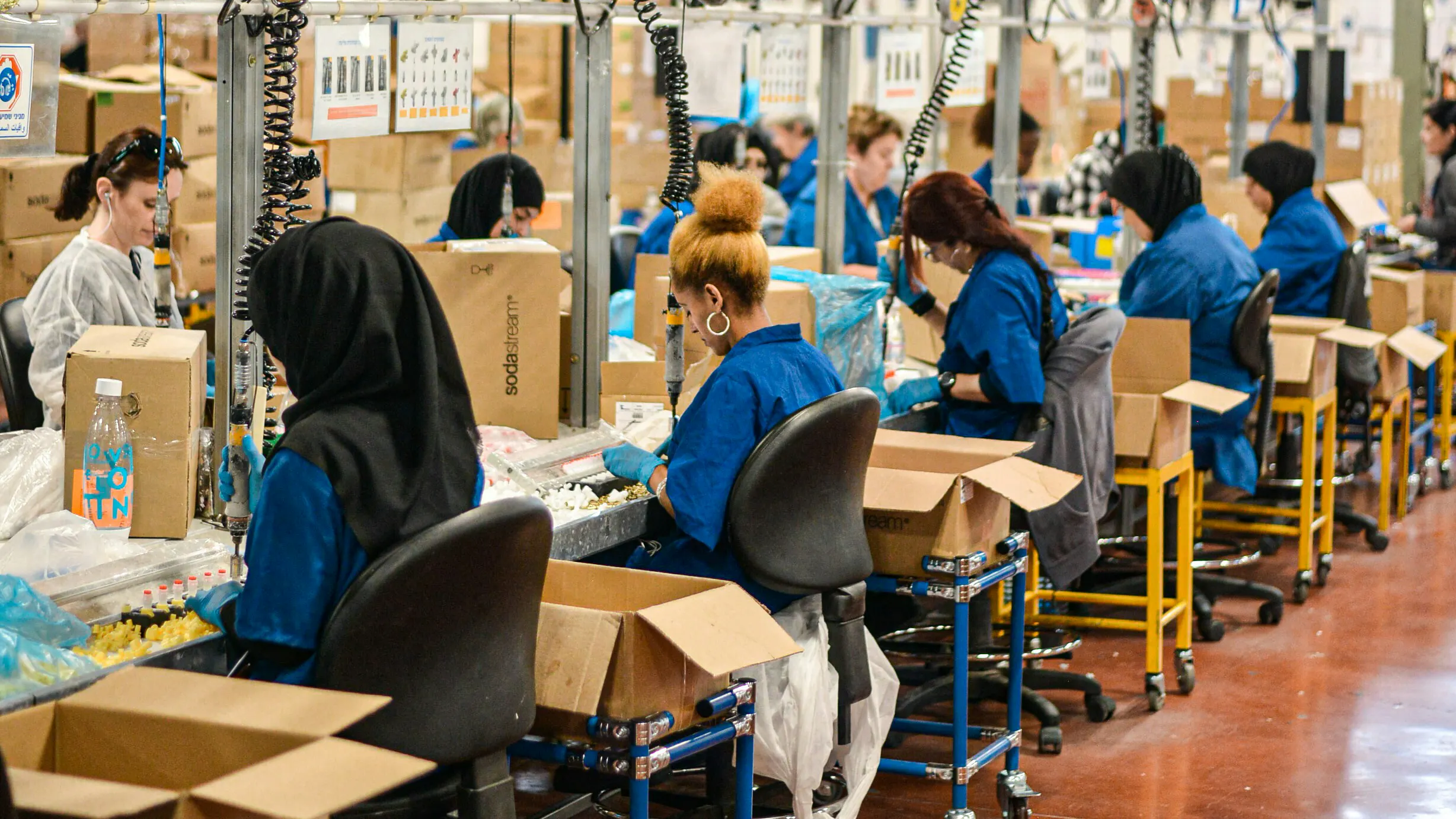
The AAFA guide identifies clothing as an important heat mitigation variable, calling for factory uniforms to be made from breathable fabrics that allow for air circulation and sweat evaporation. And while the guidelines caution against synthetics, not all synthetics trap heat: the variable is fiber performance, not fiber origin.
For brands, this means high-performance evaporative cooling fabrics provide a meaningful way to help customers—safety managers, procurement officers, and HR directors—fulfill documented heat stress obligations. The conversation is no longer about fabrics that feel cooler; now it's about meeting the obligations of your heat stress mitigation program.
The full AAFA Guide to Protecting Workers from Heat Stress is publicly available and open source. We encourage workwear brands to share it with their sustainability and product teams as a starting point for evaluating how their current fabric specifications measure up against emerging worker protection expectations.
"For years, brands have specified Coolcore® for comfort and performance. The AAFA framework makes cooling performance to part of how they can take care of workers."
— Eric Schenker, CEO, Coolcore®
Coolcore's Biomimetic Fiber Geometry™ is engineered to optimize evaporative cooling, a physiological mechanism the AAFA guide identifies as central to worker heat protection. Unlike coatings or chemical treatments that degrade over time, Coolcore's cooling performance is built into the fiber structure itself, meaning it performs wash after wash.
For brands looking to align their workwear specifications with emerging heat stress standards, Coolcore® offers independently tested, lab-verified cooling performance with the credibility to support customer-facing claims. Contact us to request lab test data and fabric samples, or schedule an appointment at the next trade show to feel Coolcore® for yourself.